Almost everybody flies home with something. A mug, a blanket, a bottle, a small ceramic thing that looked better on the shelf than it does on the kitchen counter. It is one of the few decisions on a trip here that nobody researches, and the result is predictable: a lot of people carry an object three thousand kilometres home and later find out it was made about eleven thousand kilometres from where they bought it.
This is not a scandal and it is not anybody’s fault. It is a sorting problem, and it takes about thirty seconds to solve once you know what you are sorting.
The three kinds of “Mexican” object you will be offered
The first is made in Baja California Sur. It is the smallest category by a wide margin, because this is a peninsula of about nine hundred thousand people with very little manufacturing and a tourism economy that mostly imports what it sells.
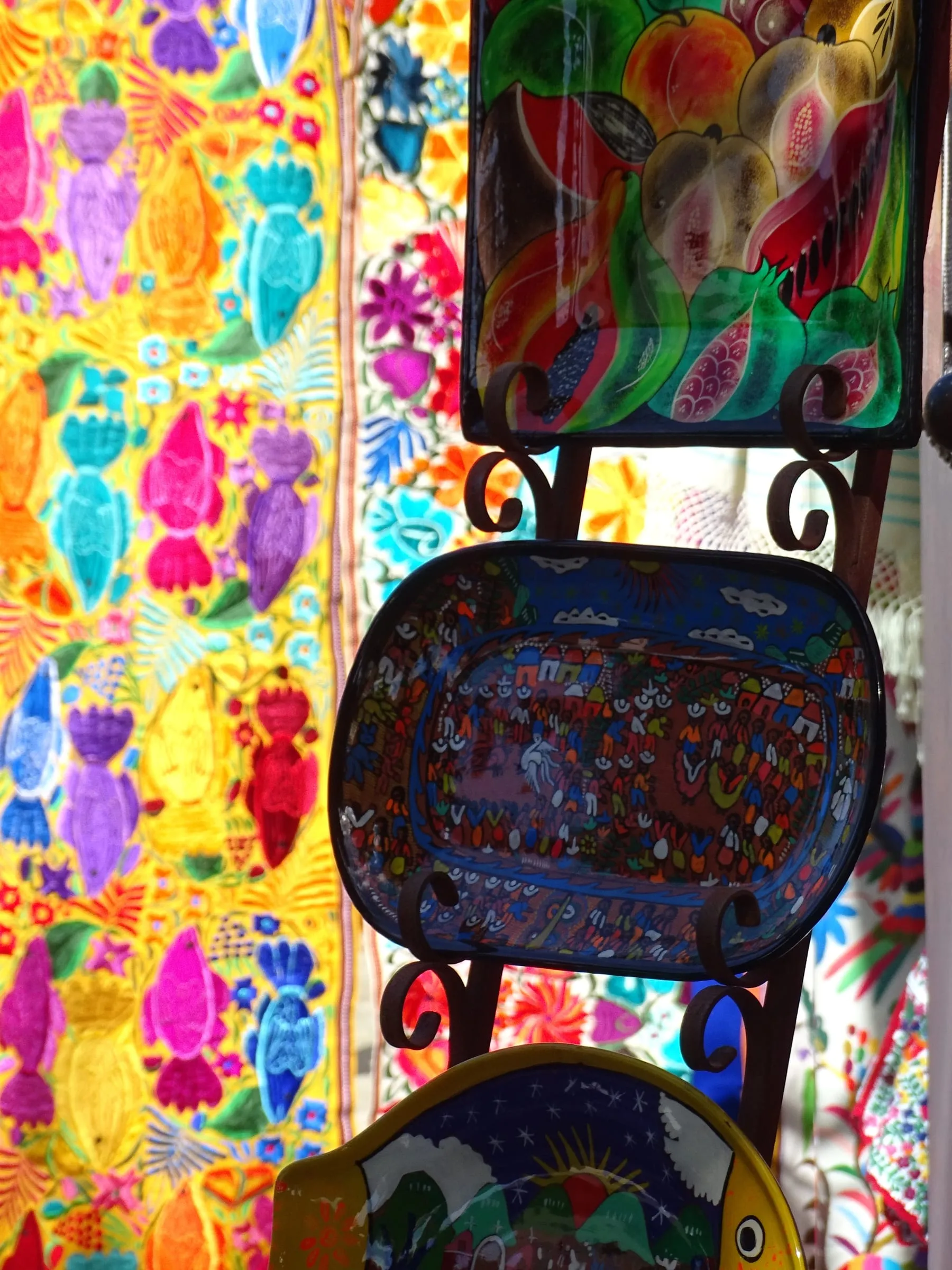
The second is made elsewhere in Mexico and brought here — Talavera from Puebla, textiles from Oaxaca and Chiapas, blown glass from Jalisco, silver from Taxco. This is a completely legitimate category and often the best work in the room. Mexico’s craft traditions are regional and they are not in Los Cabos. Nobody should feel cheated buying a Oaxacan rug in San José; they should simply know that is what they are buying, and that the price ought to reflect a piece that has already paid for a trip across the country.
The third is made nowhere near Mexico, printed with a place name, and sold at a margin that depends entirely on you not asking. This is the category worth learning to spot, and it is easier than it sounds.
Four questions that settle it
Who made this? Not which shop sells it — who made it. A shop that works with real makers will answer with a name, usually fast, often with a story attached. A shop that cannot answer has told you everything you need.
Is there more than one exactly like it? Hand-thrown pottery varies. Hand-blown glass varies more. If a shelf holds twelve of something and all twelve are identical down to the glaze line, it came out of a mould in a factory. That may still be fine, and it should be priced that way.
Where is the workshop? “Local” is a word with no legal meaning in a shop. Ask where the thing was actually made and listen for a town.
What happens when it breaks? A maker who is four streets away is a different proposition from a container that arrived in February.
What is genuinely made in San José del Cabo
More than most visitors assume, and it has grown in the last few years.
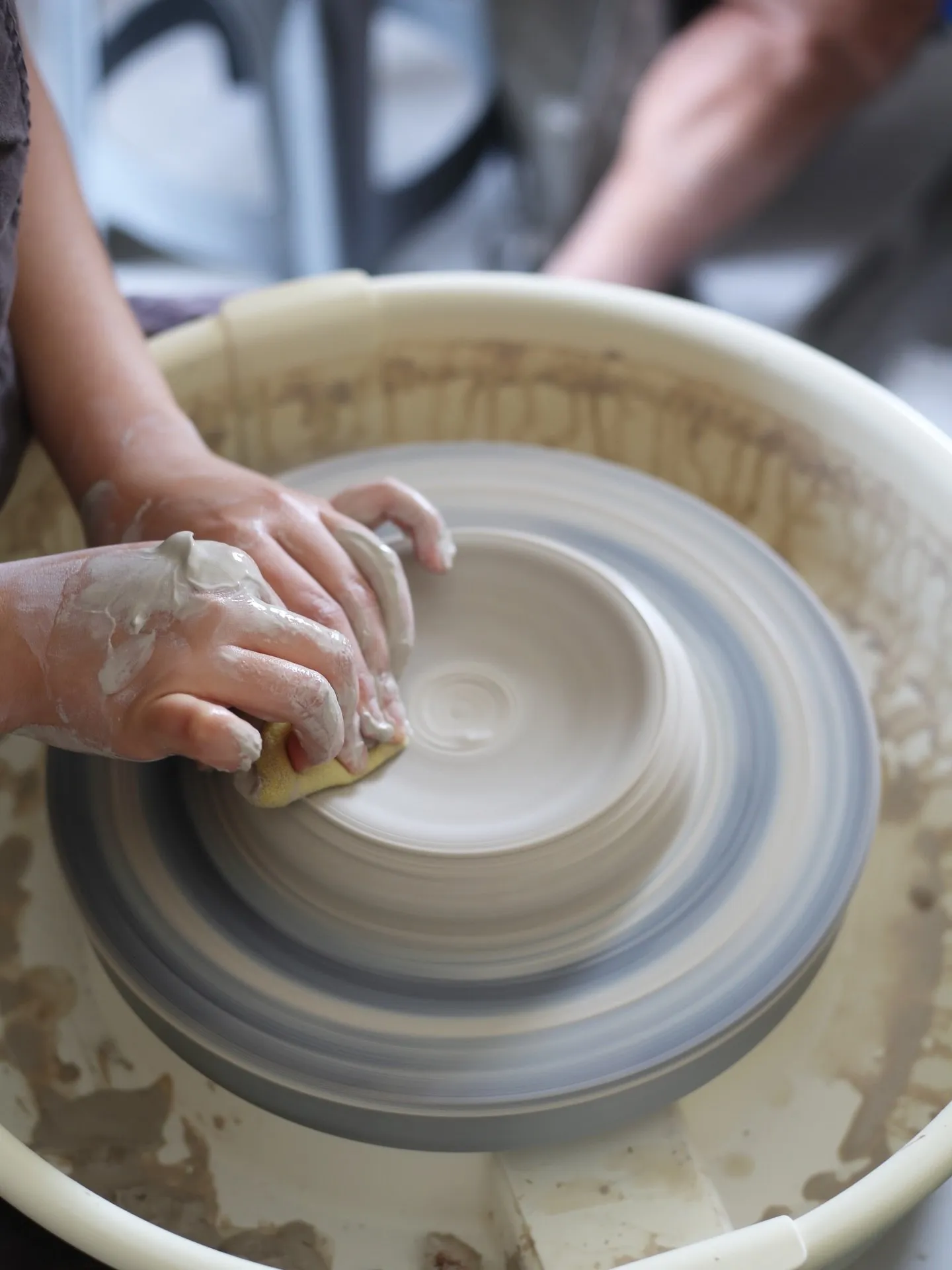
Ceramics. There are working studios in town — wheels, kilns, people who throw and hand-build daily rather than seasonally. This is the strongest category in San José and the one where you can most often meet the person who made the object.
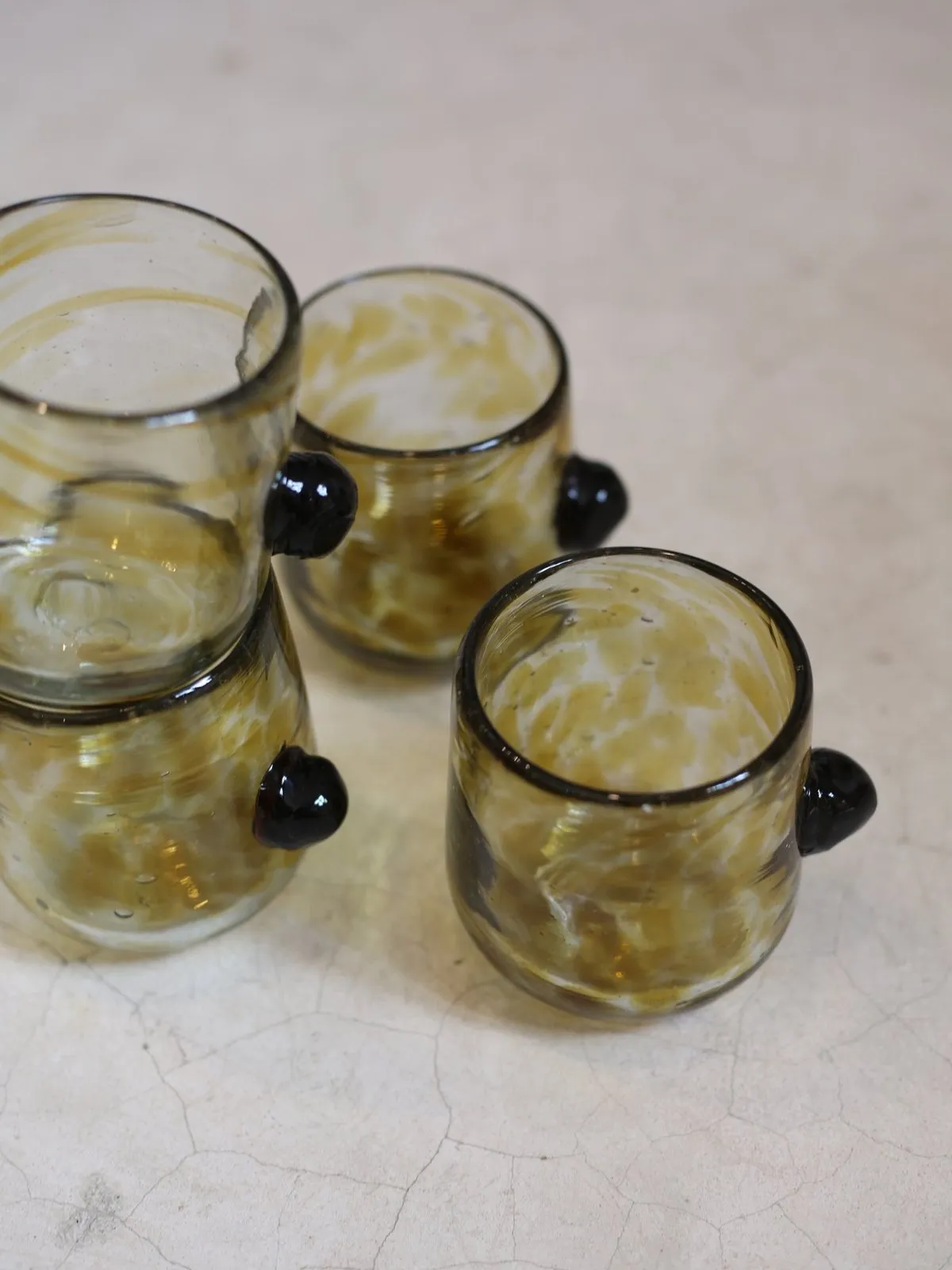
Recycled blown glass. Glass is blown here from recycled stock, one piece at a time, in small workshops. The tumblers and mugs that come out are faintly uneven, speckled and never quite matched as a set, which is the point — and it is the easiest category in which to see, at a glance, the difference between something made by hand and something pulled out of a mould.
Plant-dyed textiles. Hand-dyeing with plants is being done here, in small runs, in collaboration with people who grow or gather the material.
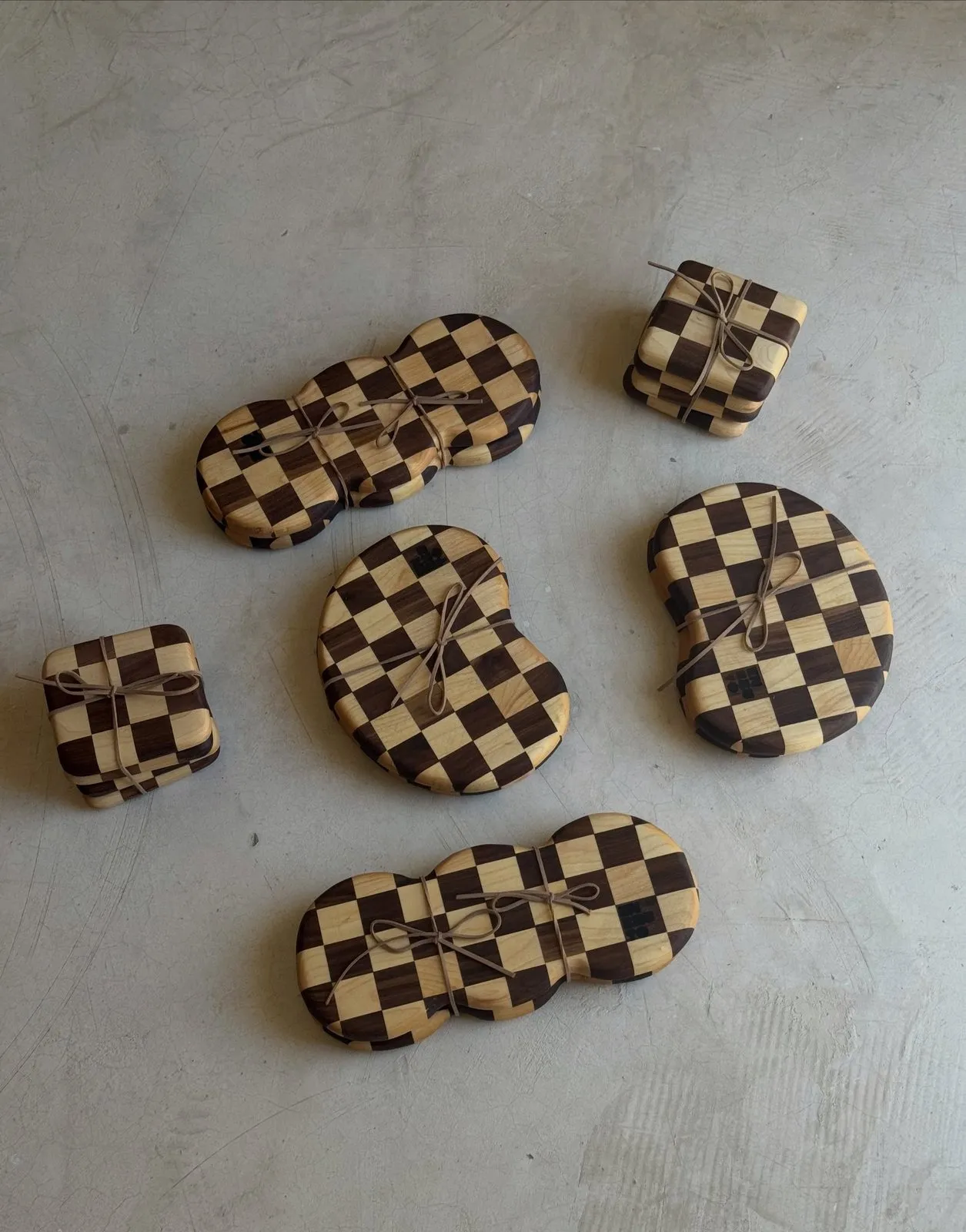
Candles, matches, paper, small wood. The quiet category. Soy candles poured into blown vessels, ceramic matchboxes printed with local drawings, notebooks with pressed flowers set into the covers, cutting boards and coasters in inlaid wood. These are the things that actually survive a suitcase, and they are usually made within a few kilometres of where you buy them.
What is not made here, and should not be sold to you as if it were: silver, Talavera, most woven textiles, most leather. Excellent, Mexican, and from somewhere else.
Where to start
The shortest route to all of the above in one room is SALA, on Calle Manuel Doblado in the old centre of San José del Cabo. One room, a few shelves, and a maker credited on almost everything standing on them — and the ceramics studio is at the back of the shop, which is as close to the fourth question as you will get anywhere on this coast.
It is also a useful calibration tool. Spend ten minutes there, look at how a hand-thrown mug actually differs from a moulded one, and the rest of the town becomes much easier to read.
What to buy, by what you can carry
If you have hand luggage only. Ceramic matchboxes, coasters, a small keychain, a notebook, a bar of something. Flat, light, hard to break, and the category where the price-to-memory ratio is best.
If you have a checked bag and want to use it well. Mugs, a matcha set, a small serving piece, a cutting board. A mug is the most-used souvenir anyone owns; you will hold it every morning for ten years, which is a better argument than any shelf ornament makes.
If you want one real object. A pinched porcelain vessel, a piece of blown glass, a dinnerware set in a glaze that only exists because someone mixed it for that run. These are the pieces people ask about in your kitchen, and the ones you would replace if they broke.
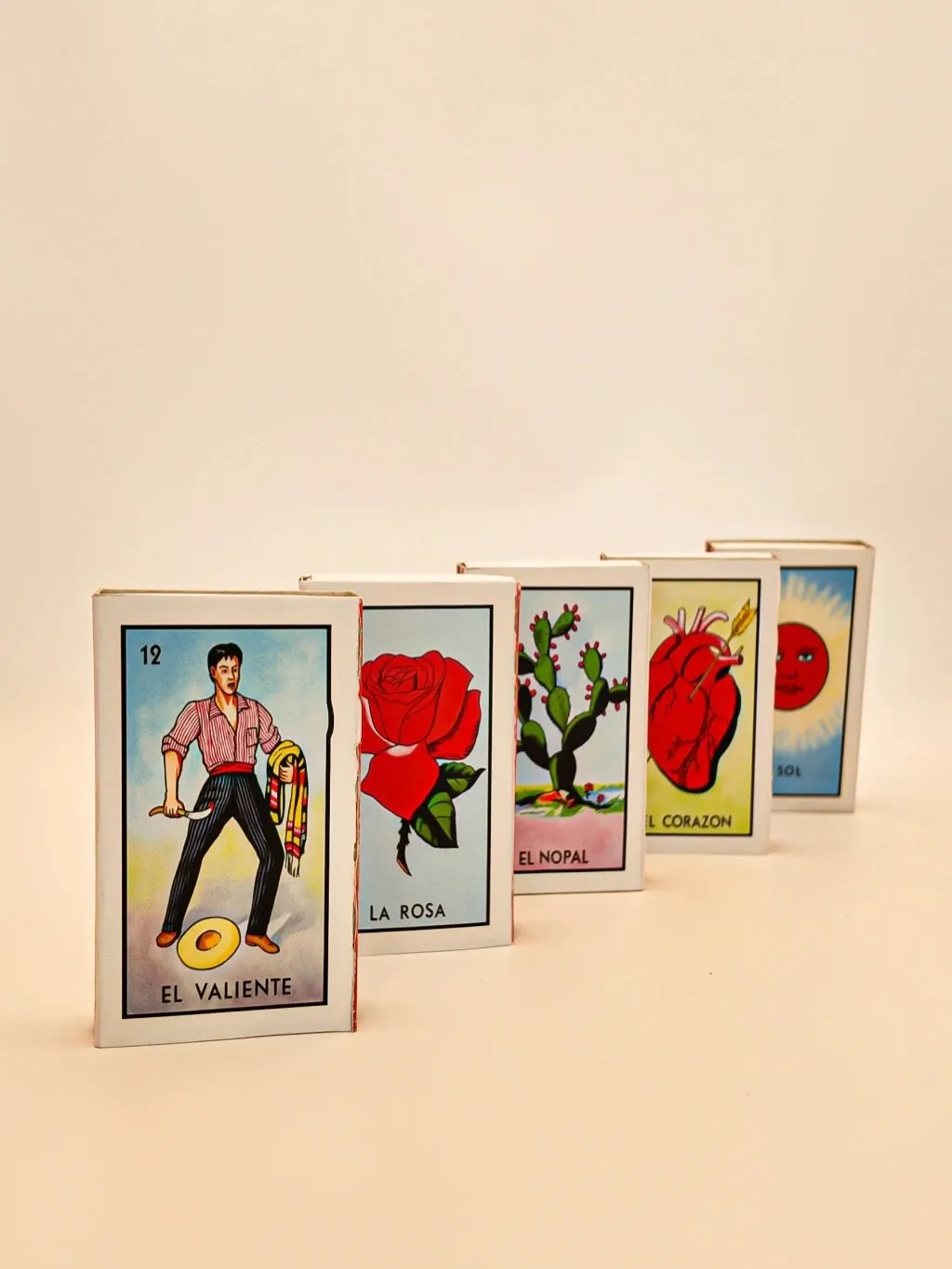
If you are buying a gift and do not know the person well. Lotería designs. The traditional card imagery — el valiente, la rosa, el corazón — reads as Mexican to anyone, means something specific to anyone Mexican, and does not require you to have guessed their taste.
Getting it home in one piece
Ceramics and glass do not survive a checked bag with clothes packed loosely around them. Two rules cover almost every loss we have heard about: put the breakable thing in your carry-on if it fits, and if it must be checked, pack it in the centre of the bag with soft weight on all six sides — not just underneath.
Shops that sell fragile work usually wrap properly if you tell them the piece is flying. Say so at the counter. It costs nothing and changes the packing.
If you would rather make it than buy it
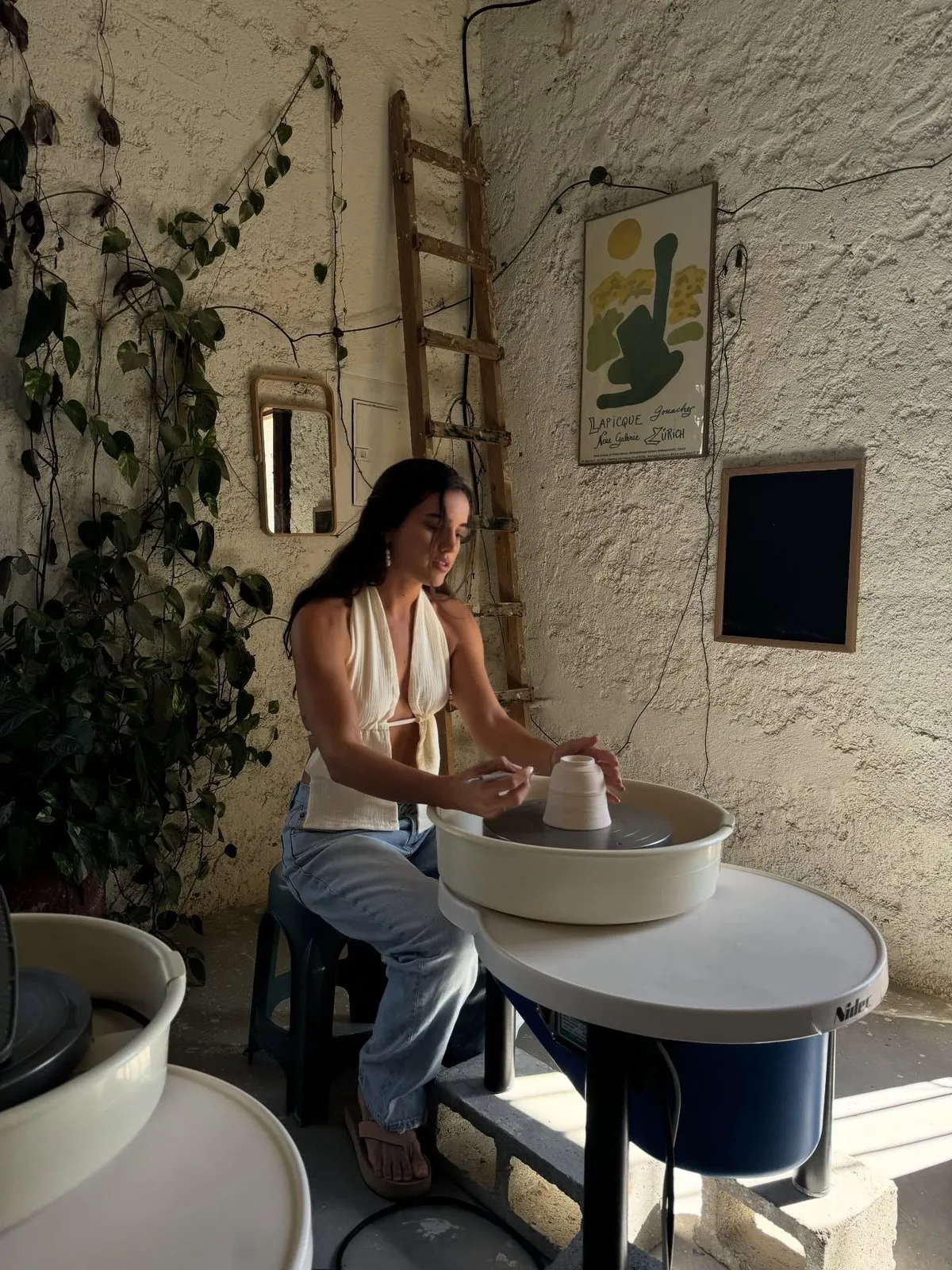
San José has working ceramics classes — wheel throwing, hand-building, a session for children, and longer multi-week workshops. They are a genuinely good rainy-afternoon or too-hot-for-the-beach option, and a two-hour class produces something you will keep for reasons no shop can sell you.
Book ahead. The evening wheel sessions in high season fill first.
When to go
The old centre is a morning and an evening town, not a midday one. Most shops open around eleven and stay open until eight, with Sunday a short day, and several close through the middle of the afternoon in the worst of the September heat.
The one date worth planning around is the Art Walk, which runs Thursday evenings from about five to nine through the high season, roughly November to June, centred on Calle Álvaro Obregón and the streets around it. Galleries extend their hours, some streets close to cars, and the whole district is at its best. Dates shift year to year, so confirm the current season before you build an evening around it.
Park once and walk. The old centre is small, flat, and entirely walkable — and the shops worth finding are rarely the ones on the corner with the most signage.
Photographs: SALA.