Search for a Cabo itinerary and you get a list of attractions in the order someone enjoyed them. Read four of those lists and you will notice they never mention where anything is in relation to anything else. That omission is the whole problem.
Los Cabos is not a town. It is two towns at opposite ends of a thirty-three-kilometre coast road, with resorts strung along the middle. Cabo San Lucas to San José del Cabo is about 33 km — 20 miles — and thirty to forty minutes when the road is clear. Build a day that starts at a beach near one town and ends at a restaurant near the other and you have spent well over an hour in a car for no reason. Do that four days in a row and you have given up most of an afternoon.
So here is the same four days, arranged by geography.
The shape of the place, in one paragraph
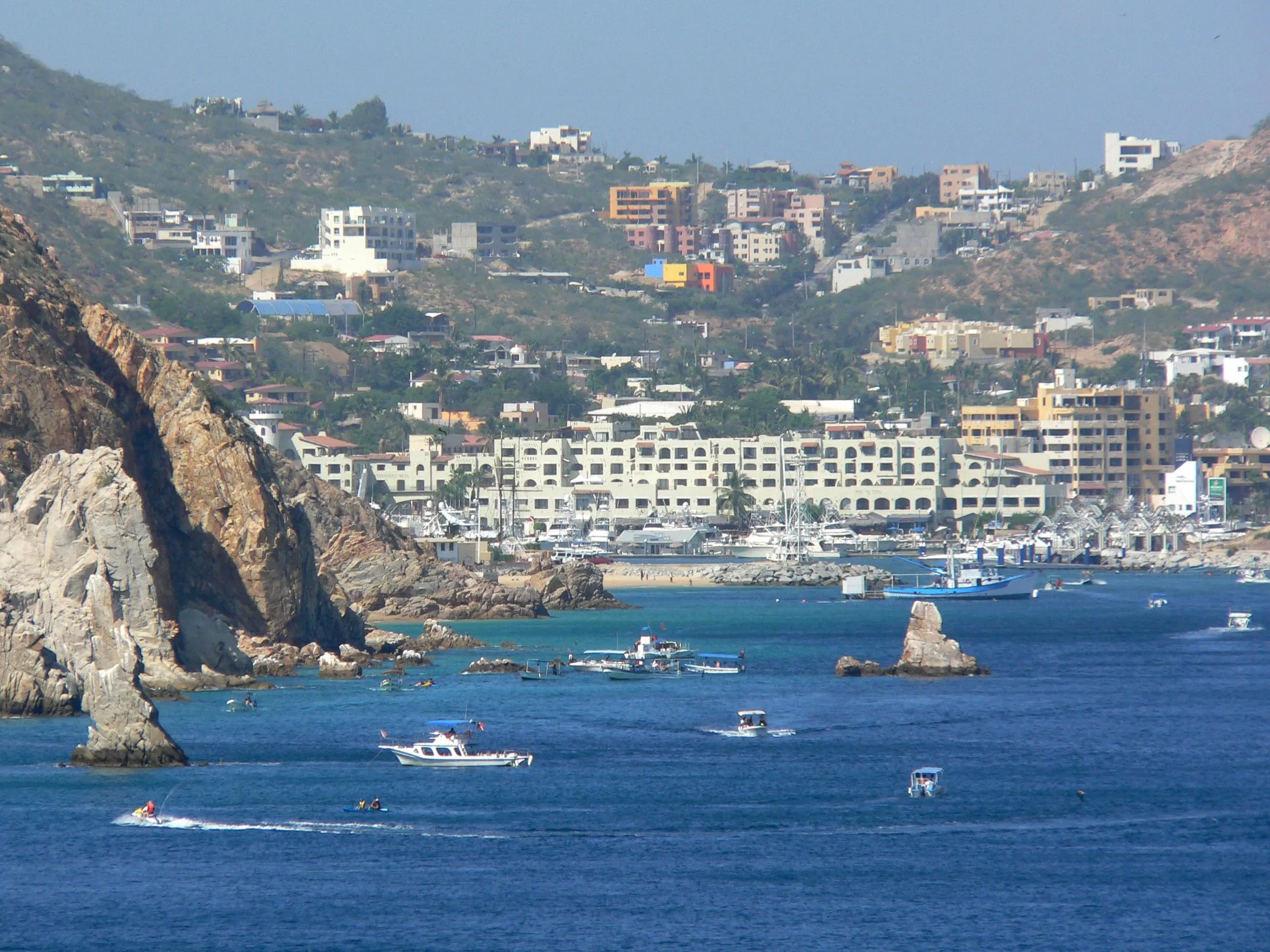
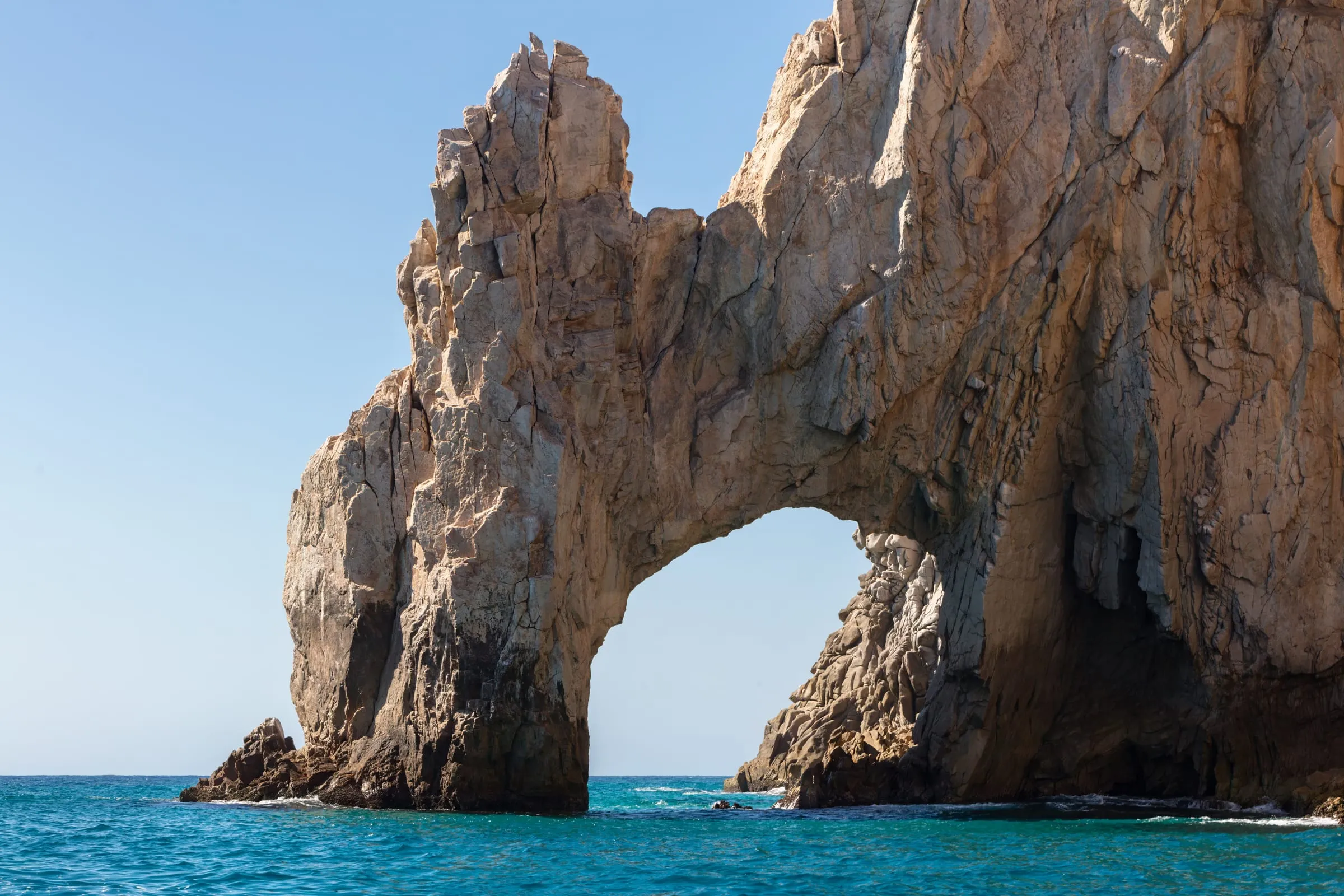
San José del Cabo is the older town: a colonial grid around a church and a plaza, a gallery district in the streets behind it, an estuary at the edge of town, and the better end of the restaurant scene. Cabo San Lucas, at the southern tip, is the marina, the nightlife, Médano beach and the Arch. Between them runs the Tourist Corridor — the resorts, the golf, and the calmest water of the three zones. And west of Cabo San Lucas is the Pacific side: the most dramatic coastline here and, as a rule, not swimmable. The airport sits past San José at the northern end, which is why a transfer to Cabo San Lucas runs about forty-five minutes while one to San José is a short hop.
Whichever zone you sleep in decides what a day costs you in driving — which is why where to stay is a decision to make before this one, not after.
The fact that plans the week: most beaches here do not swim
This is the single most useful thing to know before you arrange anything. The open Pacific beaches and much of the corridor have enough undertow that swimming is a bad idea, and nothing on the sand will tell you which is which.
Three beaches are reliably calm and reliably staffed:
- Médano, in Cabo San Lucas — the long sheltered stretch inside the bay, with the Arch at the far end. Walk-in from town.
- Chileno, in the corridor — a signed public beach with showers and lifeguards, and the usual answer for snorkelling.
- Santa María, also in the corridor — a horseshoe cove a few minutes from Chileno, smaller and quieter.
All three hold Blue Flag certification, the international standard Los Cabos has been collecting more of every season. If swimming matters to a day, that day belongs in one of those three places, and two of the three are in the same ten minutes of road.
Four days
Day one — stay in your zone. You will land with less afternoon than you think. There is no ride-hail pickup at the airport: Uber and DiDi both run in Los Cabos, but the airport is a federal zone where neither holds a permit, and a 2026 agreement kept it that way. That is its own story, and the practical version is that your ride is booked before you fly or negotiated at the kerb. Eat near where you sleep. The ambition starts tomorrow.
Day two — the water day, in Cabo San Lucas. Boats to the Arch and Lover’s Beach leave from the marina all morning; it is a short run across the bay, and the sea is calmest early. Come back in to Médano for the afternoon. This day never leaves the bay, which is what makes it work.
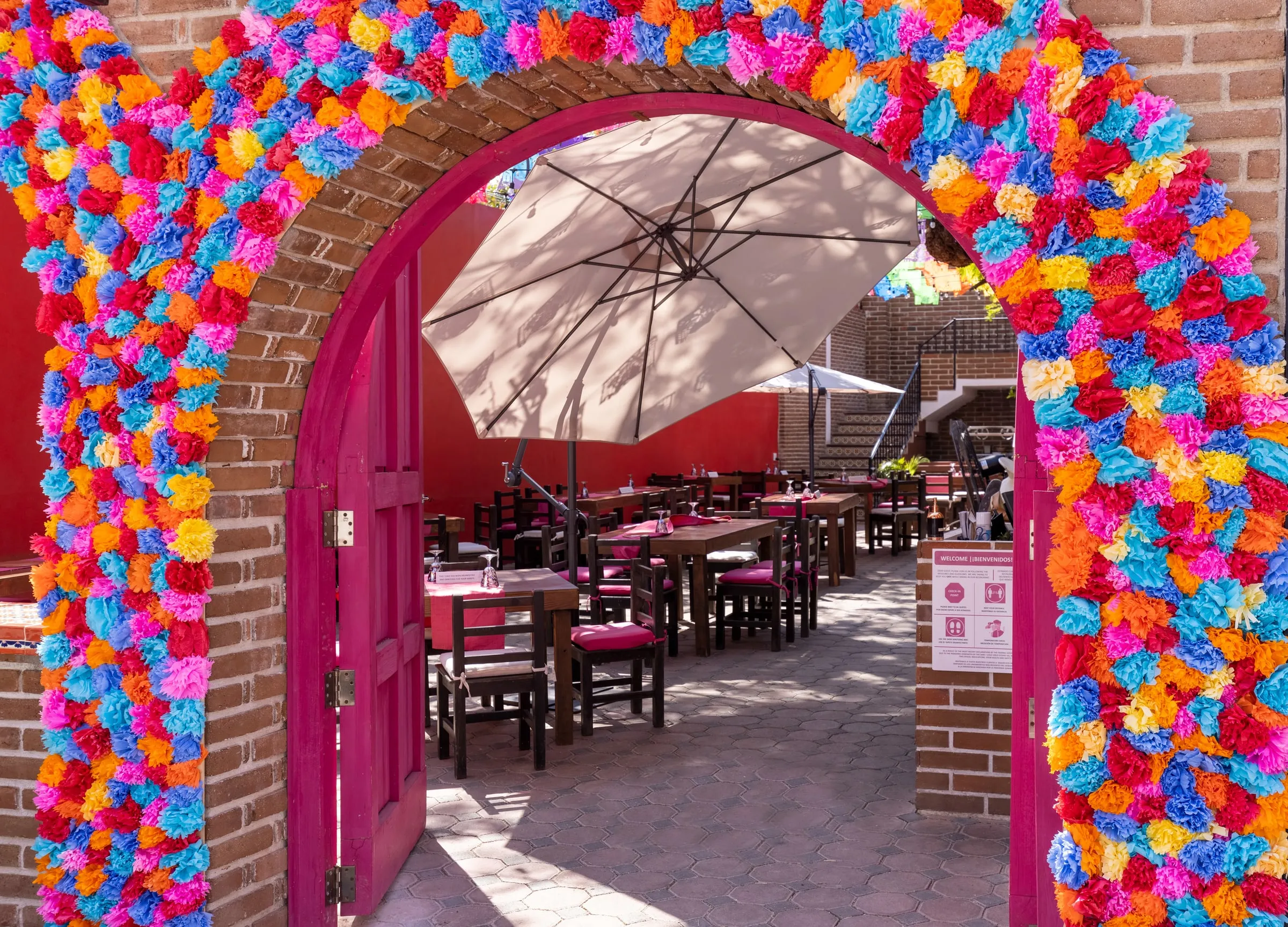
Day three — San José del Cabo, and make it a Thursday if you can. The grid behind the church is the gallery district, and every Thursday from November through June the galleries open from 5 to 9 p.m. for the Art Walk — free, on foot, and the one fixed event in Los Cabos worth building a day around. Spend the afternoon in town, the estuary late, dinner after. If you want to eat where the people who live here eat, that is a separate list.
Day four — the corridor, then go slowly. Chileno or Santa María in the morning, because they sit between the two towns and cost nothing in driving from either. Keep the afternoon empty. Everyone over-plans the last day and nobody enjoys it.
That is two crossings of the corridor in four days instead of eight.
For three days, or five
Three days: drop day four and take the morning beach into day two instead — Médano in the afternoon, Chileno the next morning, San José on the last day. You lose the slow day, which is the right thing to lose.
Five days: add the East Cape, and give it the whole day. Cabo Pulmo is about two hours out of Cabo San Lucas, the last stretch on dirt, and it is the only place in this article where the drive is the point rather than the cost. The alternative fifth day is a day trip north to Todos Santos on the Pacific side — about an hour, a different climate, and nothing to swim in.
What we would not do with a fifth day is add a second nightlife night in Cabo San Lucas and then try to drive to San José for lunch. That is the day that produces the “we spent our whole trip in the car” review.
The one booking that changes the week
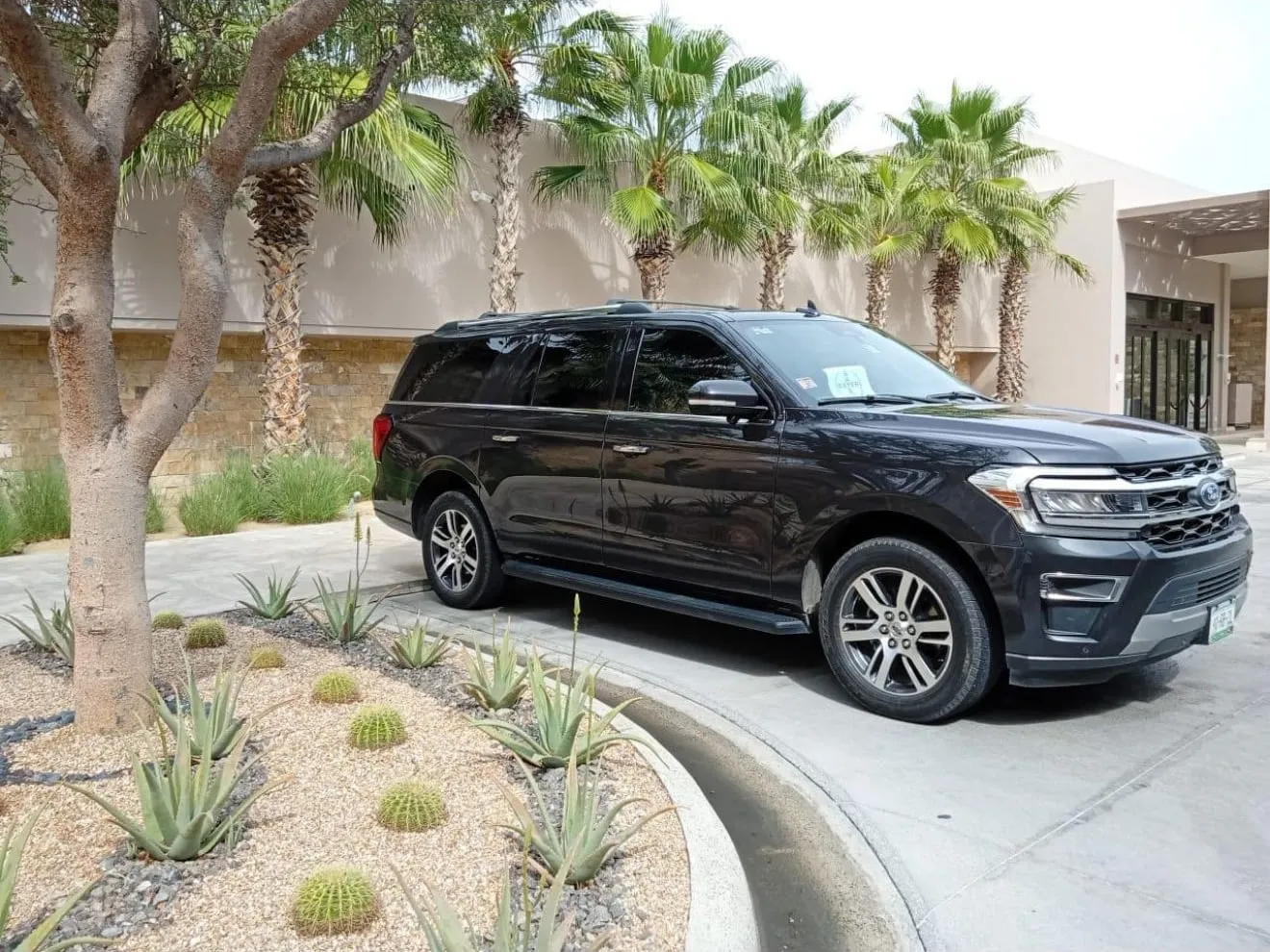
If the drive is the constraint, then the thing worth arranging first is how you move. A car means parking in two towns and deciding who is not drinking at dinner. A driver for the days you cross the corridor means the itinerary above costs you nothing in logistics — and it is also the only way the Art Walk evening and a dinner afterwards fit together comfortably.
For a private transfer or a driver for the day, Cabo Travel Boutique is listed here and runs both, along with a private chef for the nights you decide not to go anywhere at all. That last option is underrated on a four-day trip: one night in, cooked at the villa, buys back the evening that a drive would have eaten.
What this itinerary deliberately leaves out
No specific restaurants with hours, and no prices. Both change faster than any article can keep up, and an itinerary that sends you to a closed door has done worse than nothing. The geography does not change. The corridor is still 33 km. Three beaches still swim. Thursday is still Thursday.